

Ice Barrel 500
Ice Barrel 500
Overview
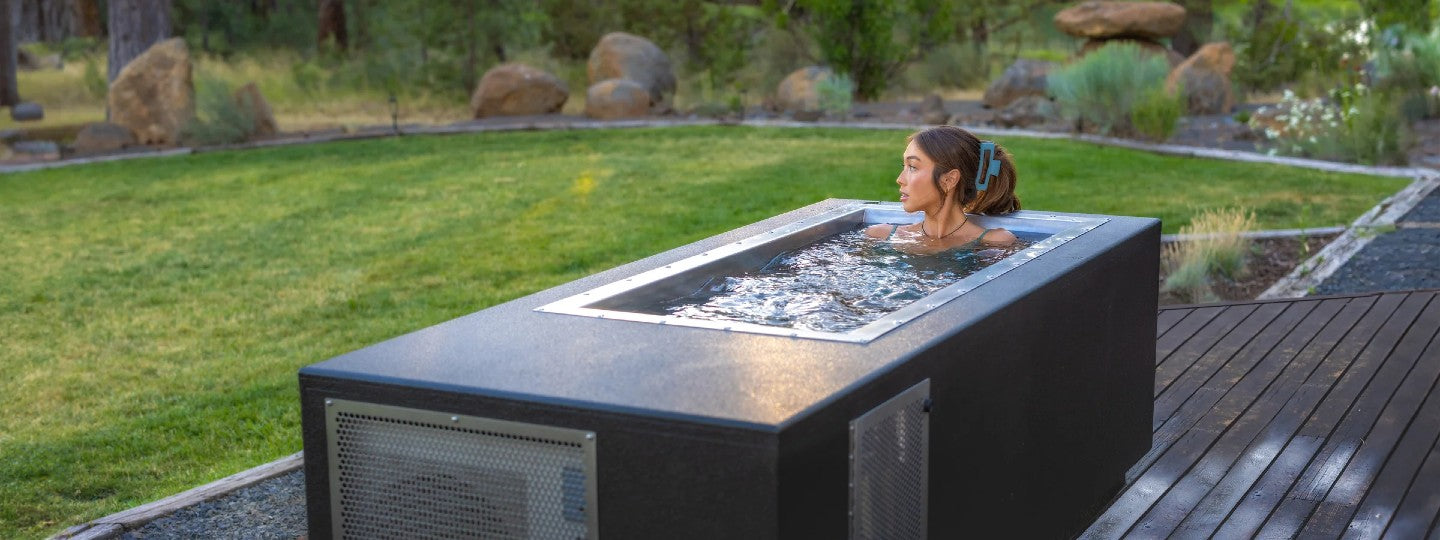
Experience cold therapy with the Ice Barrel 500, a fully insulated, upright barrel designed for comfort and accessibility. Its spacious interior and built-in seat allow for a comfortable, upright position, making it easy to submerge up to your neck. The Ice Barrel 500 is made in the USA from recycled materials and is chiller-ready for advanced cold therapy.
Quick Specs
- Total Seats: 1
- Dimensions: 4’10” x 2’7” x 3'6” | 146 cm x 107 cm x 146 cm
- Water Capacity: 94 g | 356 L
- Dry Weight 104 lb. | 47 kg.
Warranty
- Limited lifetime warranty
Brand
Caldera®
Important
Actual shell and cabinet colors may differ from on-screen representation. Please see your local dealer to verify.
Benefits of Cold Water Therapy
Supports post-workout recovery
Cold water immersion is commonly used by athletes and active people after training. Research reviews have found that cold water immersion after exercise may help reduce muscle soreness and improve perceived recovery, especially in the 24–96 hours after intense exercise.
Cold plunging may help support post-workout recovery by reducing feelings of soreness and helping your body feel refreshed after intense training.
May reduce muscle soreness
One of the most common reasons people use ice baths or cold plunges is to manage delayed-onset muscle soreness after hard workouts. The research is not perfect, but cold water immersion has shown potential for reducing soreness compared with passive recovery in some studies.
After a tough workout, a cold plunge may help ease the heavy, sore feeling that can follow intense exercise.
Helps create a refreshing mental reset
Cold exposure triggers a strong sensory response. Many users describe feeling more awake, alert, and mentally clear after a short cold plunge or cold shower. Cleveland Clinic notes that cold exposure may increase focus and mental clarity, while Harvard has reported that some cold-water immersion studies found reduced stress later after immersion.
A cold plunge can be a powerful way to reset your mind, sharpen your focus, and start the day with intention.
May support stress resilience
Cold plunging is often used as a controlled stress practice. The idea is simple: by learning to stay calm during short cold exposure, some people feel better equipped to manage everyday stress. Harvard reported that ice baths reduced stress levels in reviewed studies, though effects and study designs varied.
Cold water therapy can help turn discomfort into discipline, making it a popular ritual for building mental resilience.
Provides a natural energy boost
Cold exposure can feel invigorating because it stimulates breathing, circulation, and alertness. This is one reason many people use cold plunges in the morning or during an afternoon slump.
Use your cold plunge as a natural wake-up ritual to feel refreshed, alert, and ready to take on the day.
Helps active lifestyles feel more sustainable
Cold water therapy is popular among runners, lifters, cyclists, athletes, and high-performance professionals because it fits naturally into a broader recovery routine.
Whether you train hard, work long days, or simply want a daily reset, cold plunging can be a practical addition to your wellness routine.
Cold Plunge Safety Tips
Cold water therapy should be practiced safely. Start slowly, keep sessions short, and listen to your body. Avoid cold plunging alone, avoid submerging your head as a beginner, and exit the water if you feel chest pain, dizziness, numbness, confusion, or difficulty breathing. Consult a healthcare professional before using a cold plunge if you are pregnant, have heart disease, high blood pressure, circulation problems, diabetes, nerve conditions, or any medical concerns.
Cold Plunge FAQs
Have questions about cold plunging? Our Cold Plunge FAQs cover the basics of cold water therapy, including potential benefits, recommended temperatures, session length, safety tips, and how to build a consistent cold plunge routine at home. Whether you are new to ice baths or looking to upgrade your recovery setup, this guide will help you understand how to use a cold plunge safely and confidently as part of your wellness routine.
Cold Plunge Benefits
What are the benefits of a cold plunge?
Cold plunges may support post-workout recovery, help reduce feelings of muscle soreness, increase alertness, support mental resilience, and create a refreshing daily wellness ritual. Research suggests cold water immersion may help reduce muscle soreness after exercise, though results vary by person and routine.
Is cold plunging good for muscle recovery?
Cold plunging is commonly used after intense workouts to help manage soreness and perceived fatigue. Some research has found that cold water immersion may reduce muscle soreness 24 to 96 hours after exercise compared with passive recovery.
Can cold plunges help with stress?
Cold plunging may help some people build stress resilience by practicing calm breathing during controlled cold exposure. Many users describe the experience as mentally challenging but rewarding.
Does cold plunging improve mood?
Some people report feeling more energized, focused, and uplifted after cold plunging. The evidence around mood benefits is still developing, so it is best to describe this as a potential or commonly reported benefit rather than a guaranteed result.
Can cold plunging help with inflammation?
Cold water immersion is often used in recovery routines because cold exposure can temporarily reduce blood flow to tissues and may help with post-exercise soreness. However, avoid claiming that cold plunges “cure inflammation” or treat medical conditions.
Is cold plunging good for everyday wellness?
For many people, yes. A cold plunge can be part of a broader wellness routine that includes movement, sleep, hydration, breathwork, and recovery. The key is using it safely and consistently.
Cold Plunge Time & Duration
How long should you stay in a cold plunge?
Beginners often start with 30 seconds to 2 minutes, then gradually increase as they adapt. Cleveland Clinic notes that beginners may start around one to two minutes, while listening to their body and exiting if discomfort becomes excessive.
Is 2 minutes long enough for a cold plunge?
Yes. For beginners, 2 minutes can be a very effective starting point. Cold plunging is not about staying in as long as possible; it is about controlled exposure, consistency, and safety.
Is 5 minutes too long in a cold plunge?
Five minutes may be appropriate for experienced users at moderate cold temperatures, but it can be too long for beginners or very cold water. Session length should depend on temperature, experience level, health status, and how your body feels.
How often should you cold plunge?
Many people cold plunge a few times per week, while others use it daily. Beginners may want to start with 2–3 sessions per week and gradually increase frequency as their body adapts.
Can you cold plunge every day?
Some people cold plunge daily, but daily use is not required to experience benefits. If you are new to cold water therapy, start slowly and pay attention to fatigue, sleep, workout performance, and overall comfort.
What happens if you stay in a cold plunge too long?
Staying in cold water too long can increase the risk of excessive shivering, numbness, dizziness, confusion, cold shock, or hypothermia. WebMD notes that prolonged cold exposure can become dangerous, especially if sessions are pushed too far.
Cold Plunge Temperature
What is the best temperature for a cold plunge?
A common beginner-friendly range is about 50°F to 59°F. Cleveland Clinic lists 50°F to 59°F as a common safe starting range for people new to cold water immersion.
Is 50°F cold enough for a cold plunge?
Yes. For most people, 50°F feels very cold and can be effective for cold water therapy. Colder is not always better, especially for beginners.
What temperature should beginners use for a cold plunge?
Beginners may want to start around 55°F to 60°F or slightly warmer, then gradually lower the temperature over time. The goal is to feel challenged while still staying in control of your breathing and body response.
Is 40°F too cold for a cold plunge?
For many beginners, 40°F is too cold. More advanced users may use colder temperatures, but colder water increases risk and usually requires shorter sessions.
Should I use ice in my cold plunge?
You can use ice, but a dedicated cold plunge with temperature control is more consistent and convenient. Ice can make temperatures fluctuate quickly, so always check the water temperature before entering.
What is more important: time or temperature?
Both matter. A colder plunge usually requires a shorter session, while a slightly warmer plunge may allow a longer, more controlled experience. Safety and consistency matter more than pushing extremes.
Beginner Cold Plunge Questions
How do I start cold plunging?
Start with short sessions, use a manageable temperature, focus on slow breathing, and exit before you feel unsafe or overly uncomfortable. Many beginners start with 30 seconds to 2 minutes.
Should beginners cold plunge in the morning or after workouts?
Either can work. Morning cold plunges are popular for energy and alertness, while post-workout plunges are commonly used for recovery. Choose the time that best fits your routine.
What should I do before my first cold plunge?
Check the water temperature, avoid plunging alone, breathe calmly, and set a short time goal. Do not jump into extremely cold water without gradually building tolerance.
What should I wear in a cold plunge?
Most people wear a swimsuit. Some users also wear neoprene gloves, booties, or a beanie if their hands, feet, or head get too cold.
Should I put my head underwater?
Beginners should generally avoid submerging the head. Cold water can trigger a strong gasp response, and head submersion can increase risk, especially for new users.
How do I control my breathing in a cold plunge?
Focus on slow exhales and steady breathing. The first 15–30 seconds are often the hardest, so try to relax your shoulders, breathe through the initial shock, and exit if you feel unsafe.
Cold Plunge Safety
Are cold plunges safe?
Cold plunges can be safe for many healthy adults when done carefully, but they are not risk-free. Cold water can rapidly affect breathing, heart rate, and blood pressure, so people with medical concerns should speak with a healthcare professional first.
Who should avoid cold plunges?
People with heart conditions, uncontrolled high blood pressure, circulation problems, fainting risk, nerve conditions, cold sensitivity disorders, diabetes complications, or pregnancy should consult a healthcare professional before cold plunging.
Is cold plunging bad for your heart?
Cold water can place sudden stress on the cardiovascular system. This is one reason people with heart disease, blood pressure concerns, or other medical conditions should get medical guidance before using a cold plunge.
Can you cold plunge alone?
It is safer not to cold plunge alone, especially as a beginner. Having another person nearby can help if you experience dizziness, panic, numbness, or difficulty exiting the tub.
What are signs you should get out of a cold plunge?
Exit the water if you experience chest pain, dizziness, confusion, excessive shivering, numbness, difficulty breathing, weakness, or panic that does not settle quickly.
Can kids use a cold plunge?
Cold plunges are generally designed for adults. If a minor uses cold water therapy, it should only happen with adult supervision and medical guidance.
Cold Plunge for Workout Recovery
Should you cold plunge before or after a workout?
Cold plunging is most commonly used after workouts for recovery. Before exercise, cold exposure may make some people feel alert, but it can also temporarily affect muscle warmth and performance.
Is a cold plunge good after lifting weights?
It depends on your goals. Cold plunging after lifting may help with soreness, but some research suggests frequent immediate cold immersion after strength training could interfere with certain muscle-building adaptations. Athletes focused on muscle growth may want to use cold plunges strategically rather than after every lifting session.
Is a cold plunge good after running?
Many runners use cold plunges after hard runs to help manage soreness and support recovery. It may be especially useful after long runs, intervals, races, or intense training blocks.
Should athletes use cold plunges?
Many athletes use cold water immersion as part of their recovery routine. The best timing depends on the sport, training phase, and goals.
Does cold plunging reduce soreness?
Cold water immersion may help reduce perceived soreness after intense exercise. This is one of the most commonly studied uses of cold water immersion.
Should I cold plunge on rest days?
Yes, some people use cold plunges on rest days as a recovery ritual. Rest-day plunging can be a good option if you want cold exposure without immediately following strength training.
Cold Plunge vs Ice Bath vs Cold Shower
What is the difference between a cold plunge and an ice bath?
A cold plunge is usually a dedicated tub designed for cold water immersion. An ice bath is typically made by adding ice to a bathtub or container. Cold plunges often offer better temperature control, filtration, and convenience.
Is a cold plunge better than a cold shower?
A cold plunge provides full-body immersion and more consistent cold exposure. A cold shower is easier to access and can be a good starting point for beginners, but it may not provide the same immersive experience.
Is an ice bath colder than a cold plunge?
It can be. Ice baths can become very cold depending on how much ice is added. A temperature-controlled cold plunge lets you choose and maintain a specific temperature.
Can I use a bathtub as a cold plunge?
Yes, but it may be less convenient. A regular bathtub usually requires repeated filling, draining, and adding ice. A dedicated cold plunge is designed for repeated use and easier maintenance.
Are portable cold plunges effective?
Portable cold plunges can be effective for beginners and budget-conscious buyers. However, features like insulation, filtration, durability, and temperature control vary widely.
Cold Plunge Maintenance
How do you keep cold plunge water clean?
Use a combination of filtration, sanitation, regular water testing, and routine cleaning. Always follow your product’s maintenance instructions.
How often should you change cold plunge water?
It depends on the system, frequency of use, filtration, sanitation method, and whether users shower before entering. Some setups require frequent water changes, while filtered systems may last longer.
Do I need a filter for my cold plunge?
A filter is highly recommended for cold plunges that are used repeatedly. Filtration helps remove debris, skin oils, and contaminants from the water.
Should I shower before using a cold plunge?
Yes. Showering before you enter helps reduce sweat, lotions, oils, and dirt in the water, which can make maintenance easier.
Can I use chemicals in a cold plunge?
Some cold plunge systems use water treatment products, but you should only use chemicals that are compatible with your specific tub, chiller, and filtration system.
How do I prevent algae in a cold plunge?
Keep the water properly sanitized, covered when not in use, filtered, and out of excessive direct sunlight when possible.
Indoor & Outdoor Cold Plunge Setup
Can you put a cold plunge indoors?
Yes, many cold plunges can be used indoors if the space has proper flooring, drainage, ventilation, and enough room around the tub. Always check the product specifications before indoor installation.
Can you put a cold plunge outside?
Yes. Outdoor cold plunges are popular, especially when paired with a sauna, patio, gym, or backyard wellness area. Make sure the unit is designed for outdoor use and protected from extreme weather when needed.
Do cold plunges need electricity?
Cold plunges with chillers, pumps, filtration, or sanitation systems usually require electricity. Basic ice bath tubs may not require power.
Where is the best place to put a cold plunge?
Popular locations include patios, garages, home gyms, bathrooms, spa rooms, and backyard wellness spaces. The best location has a level surface, easy access, drainage, and enough clearance.
Can a cold plunge be used in winter?
Many outdoor cold plunges can be used in winter, but freezing temperatures may require extra precautions. Always follow your product’s winter-use guidelines.
Do I need plumbing for a cold plunge?
Many cold plunges do not require permanent plumbing, but you will need a way to fill and drain the tub. Larger or built-in systems may have different requirements.
Sauna and Cold Plunge
Can you use a sauna and cold plunge together?
Yes. Many people combine sauna and cold plunge as a contrast therapy routine. A common approach is to heat up in the sauna, cool down in the plunge, rest, and repeat as tolerated.
Should I sauna before or after a cold plunge?
Most contrast therapy routines use the sauna first, then the cold plunge. This creates a hot-to-cold contrast that many users find refreshing and energizing.
How long should you cold plunge after a sauna?
Beginners may start with 30 seconds to 2 minutes after a sauna. Because the body is already hot from the sauna, it is important to transition carefully and avoid pushing too hard.
How many sauna and cold plunge rounds should I do?
Many people start with 1–2 rounds and gradually build up. The ideal number depends on your experience, comfort, hydration, and overall health.
Is sauna and cold plunge good for recovery?
Many users enjoy sauna and cold plunge routines for relaxation, recovery, and mental reset. However, both heat and cold can stress the body, so hydration and moderation are important.
Buying a Cold Plunge
What should I look for in a cold plunge?
Important features include temperature control, insulation, filtration, sanitation, size, comfort, durability, indoor/outdoor compatibility, warranty, and ease of maintenance.
Is a cold plunge with a chiller worth it?
A chiller is worth considering if you want consistent cold temperatures without buying ice. It can make cold plunging easier, cleaner, and more convenient over time.
What size cold plunge do I need?
Choose a size based on your height, body type, available space, and whether you prefer sitting upright or reclining. Always check interior dimensions, not just the outside footprint.
Are cold plunges expensive to run?
Operating costs vary based on chiller efficiency, insulation, ambient temperature, frequency of use, and electricity rates. A well-insulated cold plunge may help maintain temperature more efficiently.
What is the best cold plunge for home use?
The best cold plunge for home use depends on your budget, space, climate, and desired features. Many home users prioritize compact size, quiet operation, filtration, and reliable temperature control.
Should I buy a cold plunge or make a DIY ice bath?
A DIY ice bath may cost less upfront, but a dedicated cold plunge is usually more convenient, consistent, and easier to maintain. If you plan to cold plunge regularly, a purpose-built tub may be a better long-term option.
Cold Plunge Routine
What is a good cold plunge routine for beginners?
A beginner routine might include 30 seconds to 2 minutes in water around 50°F to 59°F, 2–3 times per week. Gradually increase time or lower temperature as your body adapts.
Should I warm up after a cold plunge?
Yes, but warm up gradually. Use a towel, dry clothes, light movement, and a warm environment. Avoid rushing into extreme heat if you feel dizzy or unstable.
Should I stretch after a cold plunge?
Gentle movement or stretching may feel good after a cold plunge, but avoid aggressive stretching if your muscles feel numb or stiff from the cold.
Should I eat before a cold plunge?
Avoid cold plunging immediately after a heavy meal. A light snack is usually fine, but comfort varies by person.
Can I cold plunge before bed?
Some people find cold plunging relaxing, while others find it energizing. If it makes you feel alert, use it earlier in the day instead of right before bed.
How do I make cold plunging a habit?
Start with short, repeatable sessions. Keep your plunge clean and ready, choose a consistent time of day, and focus on consistency rather than extreme temperatures or long sessions.
Cold Plunge Blog Posts
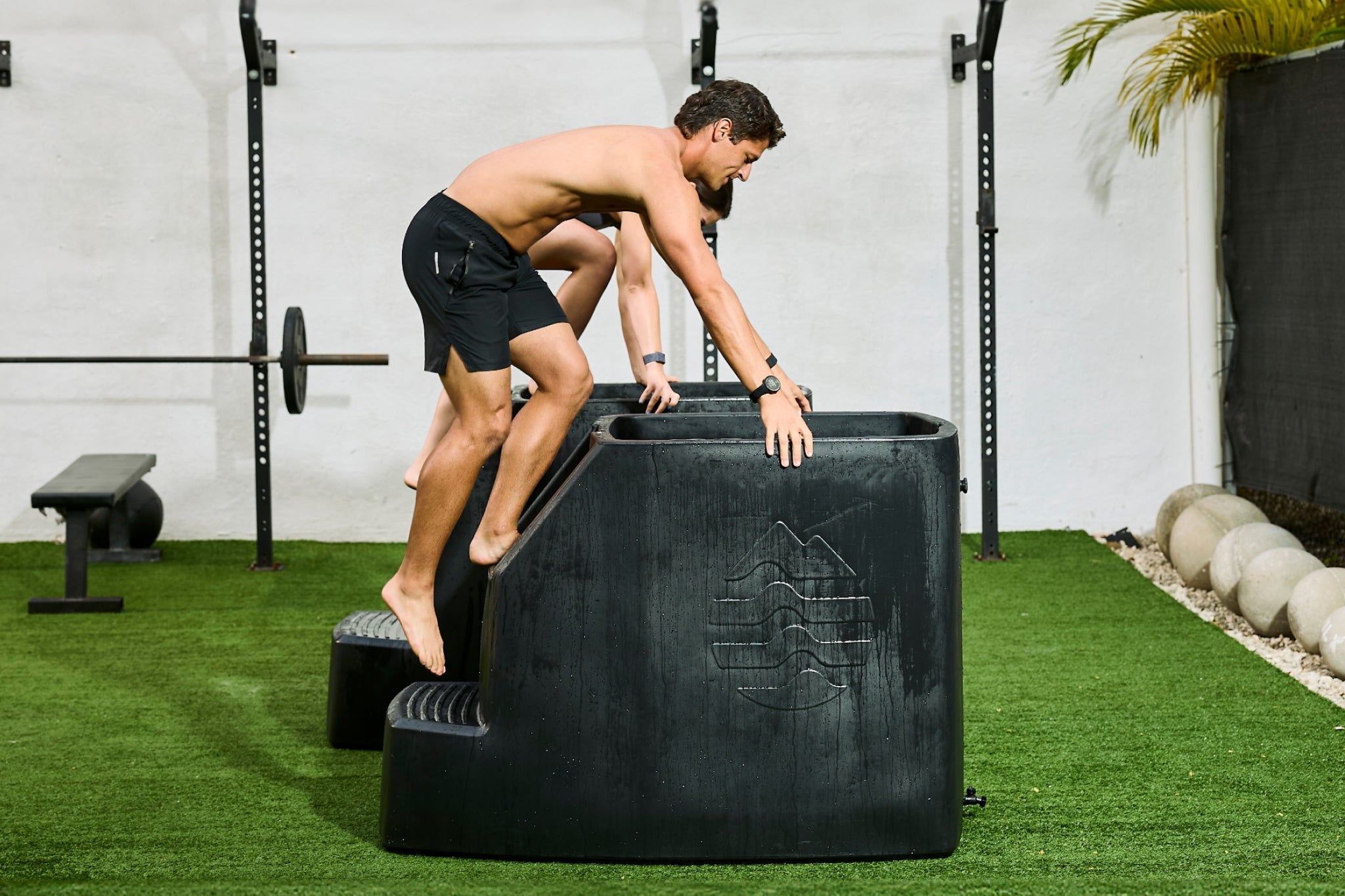
Building a Cold Plunge Routine (That you can actually do)