
Hearth Buyer's Guide
Are you considering purchasing a fireplace, insert or stove? You’ve come to the right place! We’ve put together the complete guide that answers the most common questions. We will define what a fireplace, insert and stove are. Go over their different applications and when they should be used. Then, we’ll walk you through the steps to buying a hearth product, from sizing to pre-install requirements.
Differences Between Hearth Types
Fireplace / Zero Clearance
Typically used in new construction or remodels, these fireplaces usually have:
- Metal louvers or grills, top and bottom
- Glass doors that fit inside
- Chimney exterior or chase is constructed from wood and finished with siding or other materials to match the house
- Top of chimney or chase has round metal chimney pipe or square metal cover that is visible
Insert / Masonry
Typically found in older homes, these inserts usually have:
- Faced with brick
- Opening has no metal within the opening
- Chimney exterior typically constructed of brick
- Top of chimney has square or rectangular flue tile or cap
Stove / Free-standing
Can be used in most applications, usually requires a hearth pad:
- Can see all sides of stove
- Vent pipe visible in room
- Very flexible in its venting application
Why is venting important?
Use this text to share information about your store with your customers. Describe products, share announcements, or welcome customers to your store.
Multi-column
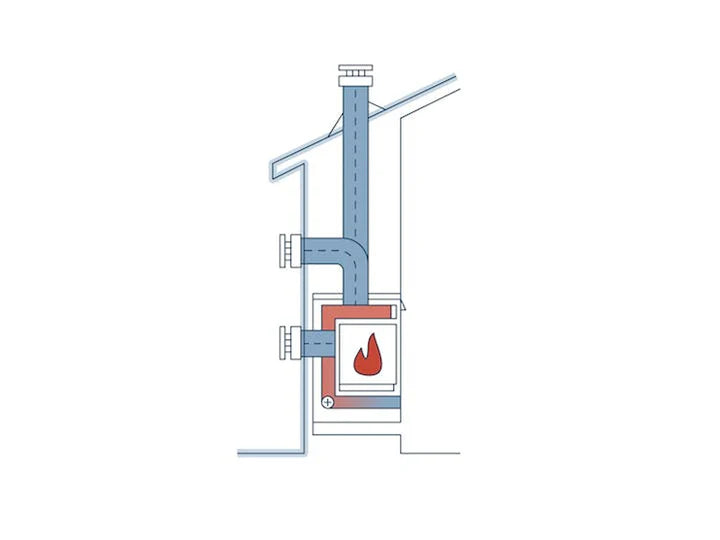
Gas Fireplace Venting
Learn more about the general dynamics of venting a gas fireplace.
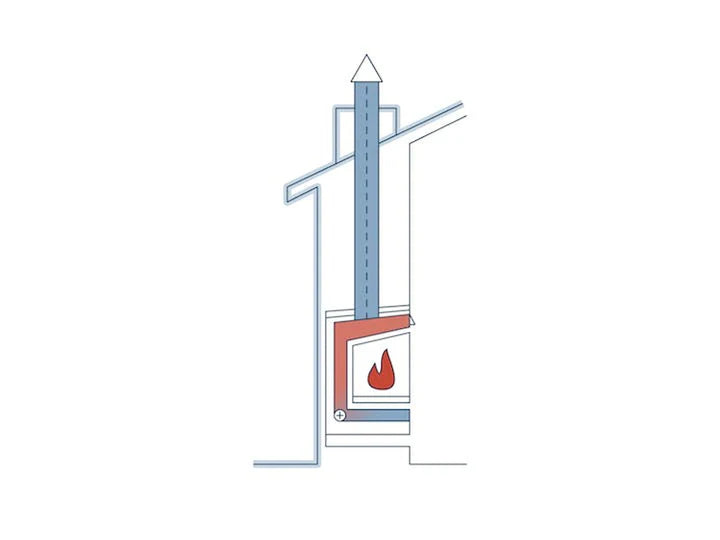
Insert Venting
Learn more about the general dynamics of venting a fireplace insert.
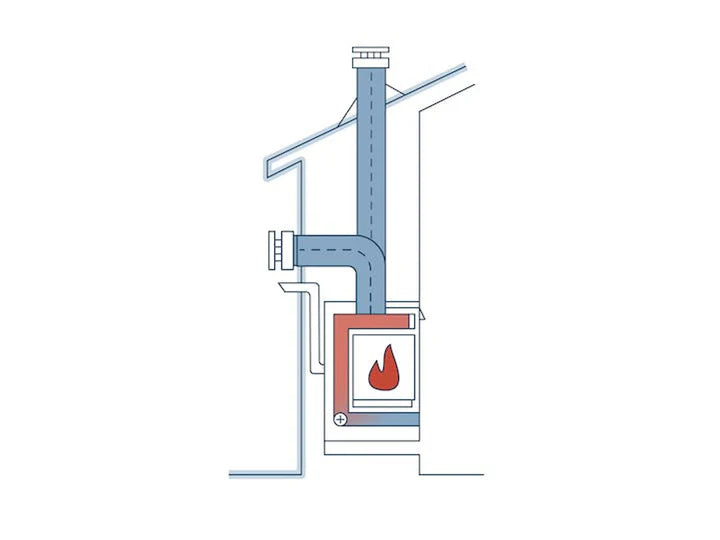
Stove Venting
Learn more about the general dynamics of venting a freestanding stove.
Types of Fuel
Wood
Benefits: Natural and available. Wood is a good way to supplement the use of your furnace while helping to drive the cost of heating your home down.
Fire Characteristics: Active and robust with steady rolling flames.
Fire Starting: Paper and kindling makes for an easy start. With added features in some wood hearth products such as Automatic Combustion Control (ACC) starting is simple.
Type of Heat: Convective + Radiant. Adding more wood immediately increases convective heat while adding to a strong and steady radiant heat at the same time.
Fuel Storage & Handling: Wood does best when stored in a dry area. A cord of wood is stacked 4’x4’x8’. An average home around 1,500sqft will require somewhere between 2-4 cords a year to keep warm.
Gas
Benefits: Convenient, Clean, Simple. Quickly turn on the fire with a snap of a switch or an adjustment of a thermostat. Most hearth products also for adjustments in flame height and fire intensity.
Fire Characteristics: Consistent, decorative and controllable. With some gas hearth products, you select the media and intensity of the fire.
Fire Starting: Simple. Operate through the flip of a switch or the click of a remote. It’s very easy.
Type of Heat: Convective + Radiant.
Fuel Storage & Handling: Either through a pipeline (Natural Gas) or a tank (Liquid Propane).
Pellet / Corn
Benefits: Clean burning and consistent. Pellets are considered affordable and renewable.
Fire Characteristics: Active and robust. Fully adjustable fire, from an inch high to a powerful 10 inch.
Fire Starting: Controlled by an automatic thermostat and temperature controls. You just need to keep the hopper full of pellets.
Type of Heat: Convective. Relying on air being blown through a heat exchanger and out into your home.
Fuel Storage & Handling: Pellets normally come in bags, typically around 40lbs. A 1,500 sq. ft. home usually requires 2-4 tons per season.
Types of Heat
Convection
This type of heat is fast acting, and easily achieved. Convection heat is when you use a heat source to heat the air and distribute it. Think of a blow dryer, a blow dryer uses a fan to pull air over a superheated coil and forces it in a particular direction. A fan in your fireplace or mounted to your stove is generally how these units achieve the convection, always nice to have, they are most necessary in a home where airflow is limited and there is no other way to circulate the air.
Radiant
This type of heat is the most long lasting and is generally considered to be more desirable. Radiant heat is that comfortable, “toasty” feeling heat that we all associate with a wood stove, it is achieved by warming up items within a room, which then in turn radiate the heat into the air, which is circulating naturally. If the area in which you are looking at installing a hearth appliance has good air circulation, heating radiantly is always the ideal situation. However, I think it’s always ideal to have the option of a fan, for those extra cold winter days where it’s nice to heat the air up while waiting for the home to absorb the heat.
Terminology
BTUs
AKA British Thermal Unit
The most commonly associated metric for a unit’s ability to heat. It is defined as “the amount of heat required to raise the temperature of one pound of water by one-degree Fahrenheit.”
Hearth appliances come in a variety of BTU ranges, from as little as 5,000 to 120,000 BTU’S. This unit of measure is used to determine how big of an area the hearth appliance will heat.
Design Elements of Hearth Products
We’ve all seen that fireplace or stove that was just absolutely jaw dropingly gorgeous, whether it was in Old Faithful Inn, in Yellowstone, or in the New York Museum of Modern Art, these units create a statement. There are many styles and designs to consider and finding the one that fits your taste just takes a bit of searching.
Whether it’s a gas fireplace or a wood fireplace, there are a few key styles that are really hot right now. Let’s jump in and look at a few of them
Traditional / Square
The traditional fireplace, this is a fireplace that is usually quite square in shape with the height dimension very similar to its width. The panels inside (called refractories) are typically made from either brick material, or stone. There is a traditional log burner on the inside, and either an arched face or a clean, craftsman style facing given to it. These units are very popular, and account for the majority of fireplaces installed today.
Contemporary / Modern / Linear / Rectangle
Modern fireplaces have grown in popularity almost exponentially in the past few years. The rectangular shape provides a sleek and contemporary look that sets a room off like nothing else. These style fireplaces become the centerpiece for the area they’re installed in and have the ability to transform a room from dull and sterile, to chic and impressive. Their media ranges from shattered glass fragments for the flame to rise out of, to modern sculptures inside of the firebox, to polygonal shapes to give a super modern feel.
Transitional
Transitional fireplaces are some of the most style flexible units out there. They can add a modern touch to a traditionally decorated room or suggest a classic feel in a contemporary design. These can be slim rectangular modern shaped fireplaces, with a traditional log set inside of them, or a square traditionally shaped fireplace with a classic log set, and a touch of crushed glass on the floor, and reflective black panels on the inside to give it a modern feel. There is such a spectrum of options here that it’s really possible to be as modern or as classic as you like.
Custom
There are some absolutely amazing people out there who are designing and engineering fireplaces. From circular gas fireplaces, to ceilings that are fireplaces, literally if you are looking for something off the wall, and specific, it can be done. Just have your pocket book ready, custom units are beautiful and one of a kind, but certainly not cheap.
Stoves
Not to be forgotten, stoves have not entirely ignored the need for design elements and style. There are a number of manufacturers out there that have developed simply beautiful freestanding stoves on both the traditional and modern front. Europe has been very progressive in the development of gorgeous modern wood stoves, and classic style stoves are getting better and better by the year. From stainless steel pellet stoves, to circular, spinning wood stoves, there’s quite a variety of styles and designs in the world of stoves.
Brands That Matter
We’ve learned about what kind of fireplaces there are, which ones are best for which situations, and what kind of styling there is available. Maybe now we know what we want, but how do we really know if it’s any good? It seems like there’s a million manufacturers out there, what’s worth buying and what’s just not worth the time of day can be tough to decipher. Let’s explore the main brands that you may encounter.
Large Brands
Quadra-Fire
- One of the largest wood stove manufacturers in the world
- Quality products
- Great warranty
- Good performance
Heat N Glo
- Inventor of Direct Vent technology
- Industry standard in gas fireplaces
- Great products
- Good performance
Heatilator
- In business for over 80 years
- A favorite among builders
- More Heatilator fireplaces installed than any other brand
- Good warranty
- Acceptable performance
Montigo
- Wide product range
- Options from value-focused fireplaces to custom/imported fireplaces
- Acceptable product quality
- Acceptable performance
Vermont Castings
- Broad product lineup
- Gas, electric, pellet, and wood-burning options
- Fireplaces, inserts, stoves, mantels, and more
- Strong variety across categories
Harman
- Specializes in pellet stoves
- Uses advanced Exhaust Sensing Probe technology
- Designed for precise heating control
- Strong pellet performance
Boutique Brands
Hearthstone
- High-quality products
- Reasonably priced
- Fantastic performance
- Great overall value
- Highly recommended
Kozy Heat
- High-quality products
- Reasonably priced
- High-end feel
- Fantastic performance
- Highly recommended
Mendota
- High-end fireplaces
- Highly customizable
- Mid-to-high price range
- Great performance
- Great product quality
Stuv
- High-end stoves
- Mid-to-high price range
- Great performance
- Great product quality
- Clean, modern design
Custom Brands
Stellar
- American-made
- Can design almost anything
- Great selection of “production-style custom” fireplaces
- Fair pricing for custom work
- Excellent product quality
European
- Over 40 years of heating industry experience
- Originally focused on portable heating products
- Offers gas, wood, electric, and bio-ethanol stoves and fireplaces
- Focused on efficient heating products
Foundation
- Highly customizable fireplaces
- Stunning design options
- Recognized at the International Builders’ Show
- Won Best Indoor Living Product in 2019
There are many other good brands than what we've mentioned here. This is just a sampling of some of the brands that are worth exploring.
What to Expect for Costs
So now we’ve gone over just about all of the staples of the hearth shopping world, but we still haven’t talked about price! How much does this stuff cost?! Since there is such a range on each of these products, and services, we will do our best to find a fair number on what to expect.
| Entry | Mid | High | Avg Install Cost | Avg Venting Cost | Total Avg Cost | |
|---|---|---|---|---|---|---|
| Gas Stove | $1,649 | $3,029 | $3,959 | $450 | $600 | $3,929 |
| Pellet Stove | $1,999 | $2,699 | $4,239 | $500 | $400 | $3,879 |
| Wood Stove | $1,599 | $2,887 | $4,659 | $600 | $1,100 | $4,748 |
| Gas Insert | $2,585 | $3,407 | $5,041 | $450 | $400 | $4,528 |
| Pellet Insert | $2,618 | $3,183 | $3,978 | $500 | $600 | $4,360 |
| Wood Insert | $1,939 | $3,227 | $3,989 | $600 | $800 | $4,452 |
| Gas Fireplace | $1,119 | $2,839 | $5,400 | $450 | $400 | $3,969 |
| Wood Fireplace | $2,567 | $2,765 | $5,995 | $600 | $1,100 | $5,476 |
Conclusion
If you’ve made it this far, you’ve come a long way! Great job, hopefully you’ve learned some valuable information on what it takes to purchase a fireplace. An educated shopper is always going to make a better decision and be happier in the end.
Hearth Project Planning
Now that you know what you want, pick from the Project Planners which type of project you'll be starting. These planners are your step-by-step guide to get the ball rolling on your project. Make sure you print off and fill out the planner before coming in to finalize getting the right product for you.
Multi-column

Built-in Fireplace Planner
Fireplace Insert Planner
Stove Installation Planner
Blog posts
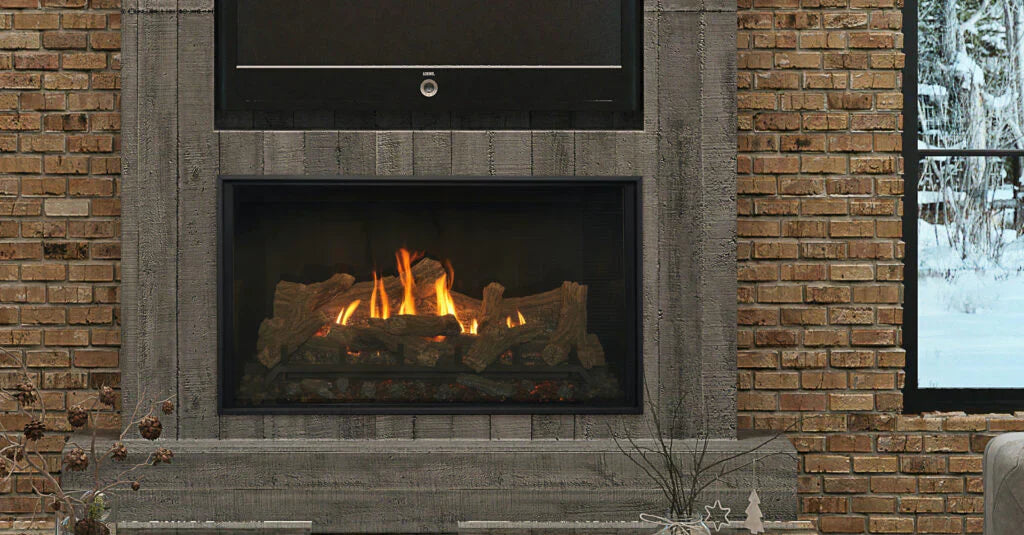
Is my Fireplace Safe to Use? What Safety Checks Do I Need?
Before you light that first fire of the season, take a few minutes to make sure your fireplace is safe. This guide walks you through the DIY safety checks you can do yourself for gas, wood-burning, and electric fireplaces, explains what a professional inspection covers, and tells you exactly when to stop and call for help — including the 8 warning signs you should never ignore.
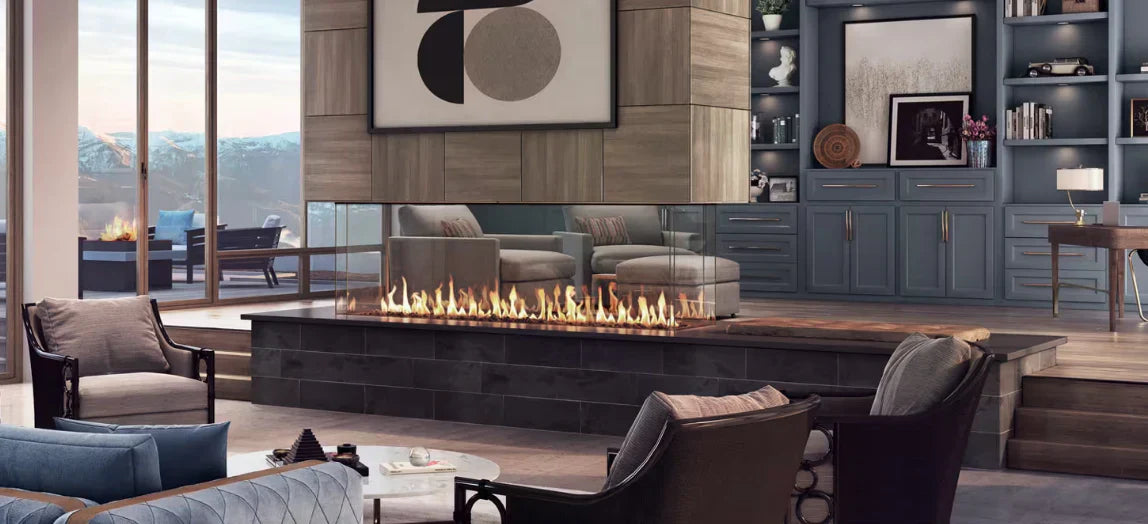
How Much Does It Cost to Install a Fireplace?
The fireplace unit gets most of the attention, but installation is where the real budget lives. In this guide, we break down every installation cost line by line — venting, framing, gas line, electrical, permits, labor, and finishing — for gas, wood-burning, and electric fireplaces. Plus, exactly what to bring to your first consultation so we can give you an accurate estimate on the spot.
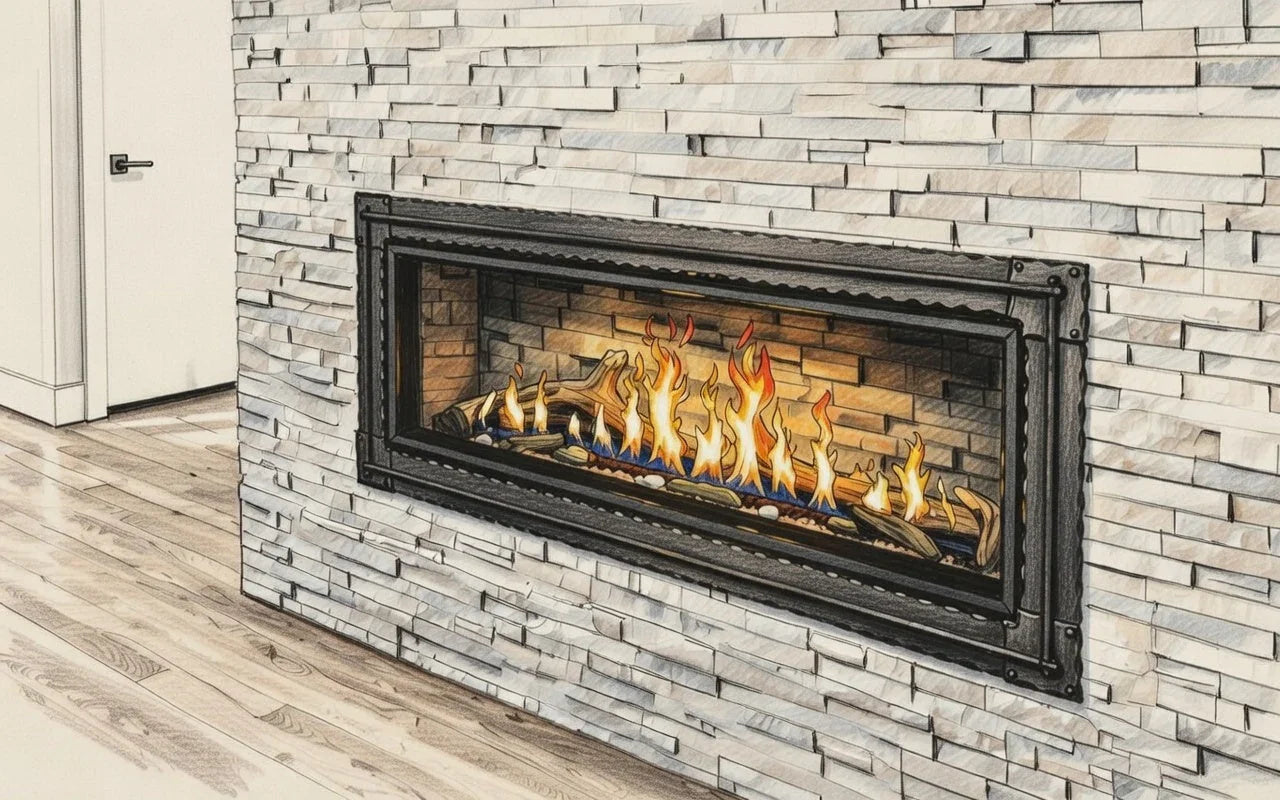
How Much Does a Fireplace Cost?
Adding a fireplace to your home is one of the most impactful upgrades you can make—for comfort, ambiance, home value, and even energy savings. But before you walk into a showroom, most homeowners want to know one thing: how much is this actually going to cost?