

Preparing Your Pizza Dough - 4 Simple Steps
|
|
Time to read 3 min
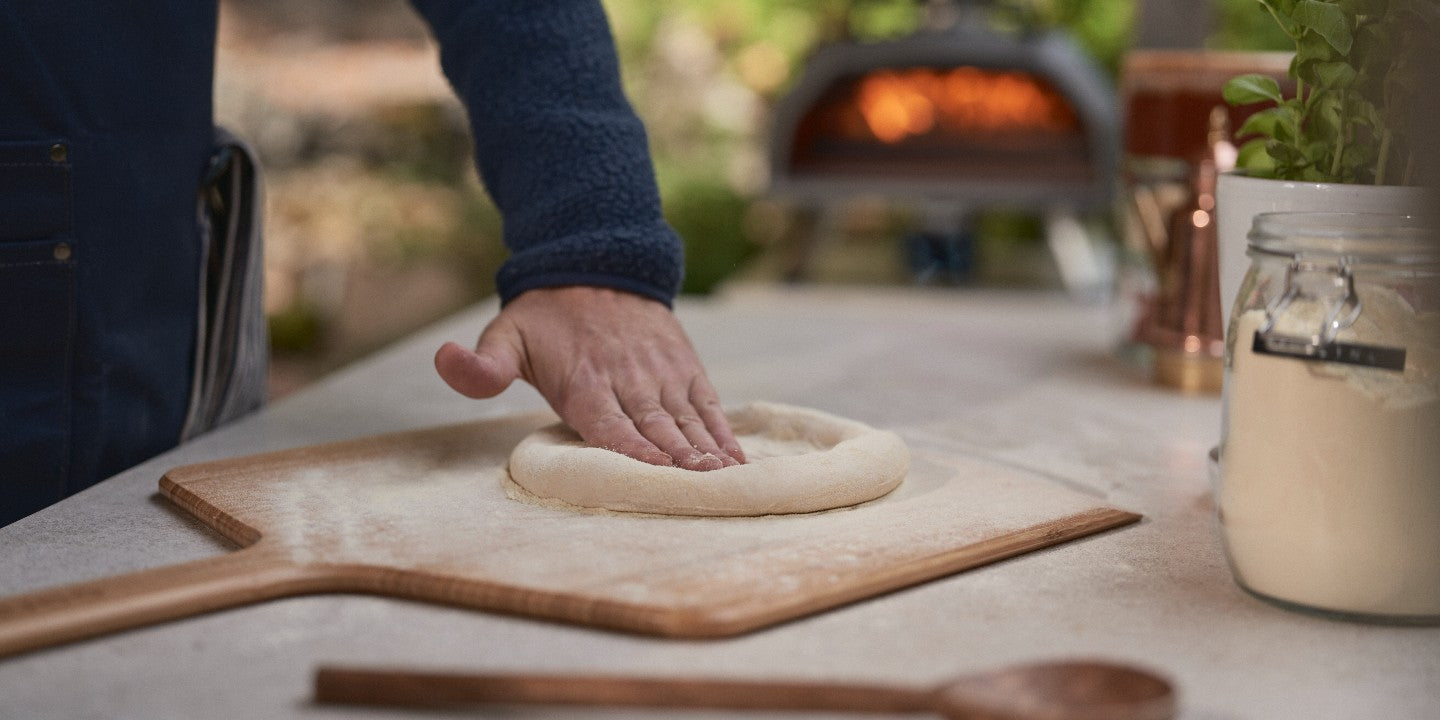
There's something deeply satisfying about crafting pizza dough from scratch. Whether you’re aiming for a chewy Neapolitan-style crust or a crisp New York-style base, understanding the fundamentals of pizza dough sets the stage for a successful homemade pie. In this blog post, we’ll walk through the essential ingredients, steps to making the dough, preparation for cooking, and helpful tips and tricks to level up your pizza game.
At its core, pizza dough is surprisingly simple. You only need four essential ingredients:
Flour – The most commonly used is all-purpose flour, but bread flour gives a chewier texture, and 00 flour (often used in Neapolitan pizza) produces a tender, crisp crust.
Water – Lukewarm water activates the yeast. Make sure it’s not too hot; otherwise, it may kill the yeast.
Yeast – This is what gives your dough rise and structure. You can use active dry yeast or instant yeast.
Salt – This regulates the yeast and strengthens the gluten structure while adding flavor.
Optional but recommended:
Olive oil – Adds richness and flavor.
Sugar or honey – Helps activate the yeast and gives the crust some color and taste.
|
1. Activate the Yeast (if using active dry yeast) In a small bowl, combine lukewarm water (around 100°F or 38°C) with the yeast and a teaspoon of sugar or honey. Let it sit for 5–10 minutes until it becomes frothy. If it doesn’t foam, your yeast might be inactive. Tip: Skip this step if you’re using instant yeast—just mix it directly with the flour. |
|
2. Mix the Ingredients In a large bowl, combine flour and salt. Slowly pour in the yeast mixture and stir with a spoon or your hand until a shaggy dough forms. Add olive oil if using. |
|
3. Knead the Dough Transfer the dough to a lightly floured surface. Knead for 8–10 minutes until it becomes smooth and elastic. You can also use a stand mixer with a dough hook for convenience. Kneading builds gluten, which gives the dough its chewy, stretchy quality. If the dough is sticky, add small amounts of flour. If it’s too dry, add a bit of water. |
|
4. Let it Rise Form the dough into a ball and place it in a lightly oiled bowl. Cover it with plastic wrap or a damp towel. Let it rise in a warm area for 1–2 hours until it has doubled in size. For enhanced flavor and texture, consider a cold fermentation : place the dough in the refrigerator overnight (up to 72 hours). This slow rise develops deeper taste and a better crust. |
Once your dough has risen, here’s how to get it ready for pizza:
|
1. Punch Down & Divide Gently punch down the dough to release excess gas. If making more than one pizza, divide it into equal portions and shape each into a ball. |
|
2. Rest Again Let the dough balls rest at room temperature for 30–45 minutes. This relaxes the gluten, making the dough easier to stretch. |
|
3. Shape the Dough Place the dough on a lightly floured surface. Using your fingers or a rolling pin, shape it into a circle or rectangle. Work from the center out, being careful not to deflate the outer edge if you want a puffy crust. Pro tip: Avoid using a rolling pin if you’re after a bubbly, airy crust—pressing with your hands preserves those air pockets. |
For restaurant-quality results, use a preheated pizza stone or steel in a very hot oven (475–500°F or 245–260°C). These tools mimic the intense bottom heat of pizza ovens and yield a crisp, golden crust. Place the stone in the oven as it preheats—never into a hot oven cold, as it may crack.
Less is more. Too many toppings weigh down the dough and can lead to a soggy center. Use a thin layer of sauce, modest cheese, and a few well-chosen toppings.
Stretch your dough on parchment paper or a pizza peel dusted with cornmeal or semolina. This prevents sticking and helps transfer the pizza easily to the oven.
Always bring refrigerated dough to room temperature before stretching to avoid tearing.
A higher water-to-flour ratio (aka higher hydration dough) results in a lighter, airier crust but is trickier to handle.
If your oven struggles to crisp the center, try blind-baking the crust for a few minutes before adding toppings.
Adding herbs, garlic powder, or grated cheese to the dough gives it a tasty twist.
Mastering pizza dough is less about strict recipes and more about understanding the ingredients and techniques
Whether you're baking in a traditional oven or experimenting with an outdoor pizza oven, remember: great dough is the foundation of great pizza
Helpful products and accessories can aid you greatly when trying to master your pizza dough
|
|
Time to read 3 min
There's something deeply satisfying about crafting pizza dough from scratch. Whether you’re aiming for a chewy Neapolitan-style crust or a crisp New York-style base, understanding the fundamentals of pizza dough sets the stage for a successful homemade pie. In this blog post, we’ll walk through the essential ingredients, steps to making the dough, preparation for cooking, and helpful tips and tricks to level up your pizza game.
At its core, pizza dough is surprisingly simple. You only need four essential ingredients:
Flour – The most commonly used is all-purpose flour, but bread flour gives a chewier texture, and 00 flour (often used in Neapolitan pizza) produces a tender, crisp crust.
Water – Lukewarm water activates the yeast. Make sure it’s not too hot; otherwise, it may kill the yeast.
Yeast – This is what gives your dough rise and structure. You can use active dry yeast or instant yeast.
Salt – This regulates the yeast and strengthens the gluten structure while adding flavor.
Optional but recommended:
Olive oil – Adds richness and flavor.
Sugar or honey – Helps activate the yeast and gives the crust some color and taste.
|
1. Activate the Yeast (if using active dry yeast) In a small bowl, combine lukewarm water (around 100°F or 38°C) with the yeast and a teaspoon of sugar or honey. Let it sit for 5–10 minutes until it becomes frothy. If it doesn’t foam, your yeast might be inactive. Tip: Skip this step if you’re using instant yeast—just mix it directly with the flour. |
|
2. Mix the Ingredients In a large bowl, combine flour and salt. Slowly pour in the yeast mixture and stir with a spoon or your hand until a shaggy dough forms. Add olive oil if using. |
|
3. Knead the Dough Transfer the dough to a lightly floured surface. Knead for 8–10 minutes until it becomes smooth and elastic. You can also use a stand mixer with a dough hook for convenience. Kneading builds gluten, which gives the dough its chewy, stretchy quality. If the dough is sticky, add small amounts of flour. If it’s too dry, add a bit of water. |
|
4. Let it Rise Form the dough into a ball and place it in a lightly oiled bowl. Cover it with plastic wrap or a damp towel. Let it rise in a warm area for 1–2 hours until it has doubled in size. For enhanced flavor and texture, consider a cold fermentation : place the dough in the refrigerator overnight (up to 72 hours). This slow rise develops deeper taste and a better crust. |
Once your dough has risen, here’s how to get it ready for pizza:
|
1. Punch Down & Divide Gently punch down the dough to release excess gas. If making more than one pizza, divide it into equal portions and shape each into a ball. |
|
2. Rest Again Let the dough balls rest at room temperature for 30–45 minutes. This relaxes the gluten, making the dough easier to stretch. |
|
3. Shape the Dough Place the dough on a lightly floured surface. Using your fingers or a rolling pin, shape it into a circle or rectangle. Work from the center out, being careful not to deflate the outer edge if you want a puffy crust. Pro tip: Avoid using a rolling pin if you’re after a bubbly, airy crust—pressing with your hands preserves those air pockets. |
For restaurant-quality results, use a preheated pizza stone or steel in a very hot oven (475–500°F or 245–260°C). These tools mimic the intense bottom heat of pizza ovens and yield a crisp, golden crust. Place the stone in the oven as it preheats—never into a hot oven cold, as it may crack.
Less is more. Too many toppings weigh down the dough and can lead to a soggy center. Use a thin layer of sauce, modest cheese, and a few well-chosen toppings.
Stretch your dough on parchment paper or a pizza peel dusted with cornmeal or semolina. This prevents sticking and helps transfer the pizza easily to the oven.
Always bring refrigerated dough to room temperature before stretching to avoid tearing.
A higher water-to-flour ratio (aka higher hydration dough) results in a lighter, airier crust but is trickier to handle.
If your oven struggles to crisp the center, try blind-baking the crust for a few minutes before adding toppings.
Adding herbs, garlic powder, or grated cheese to the dough gives it a tasty twist.
Mastering pizza dough is less about strict recipes and more about understanding the ingredients and techniques
Whether you're baking in a traditional oven or experimenting with an outdoor pizza oven, remember: great dough is the foundation of great pizza
Helpful products and accessories can aid you greatly when trying to master your pizza dough