
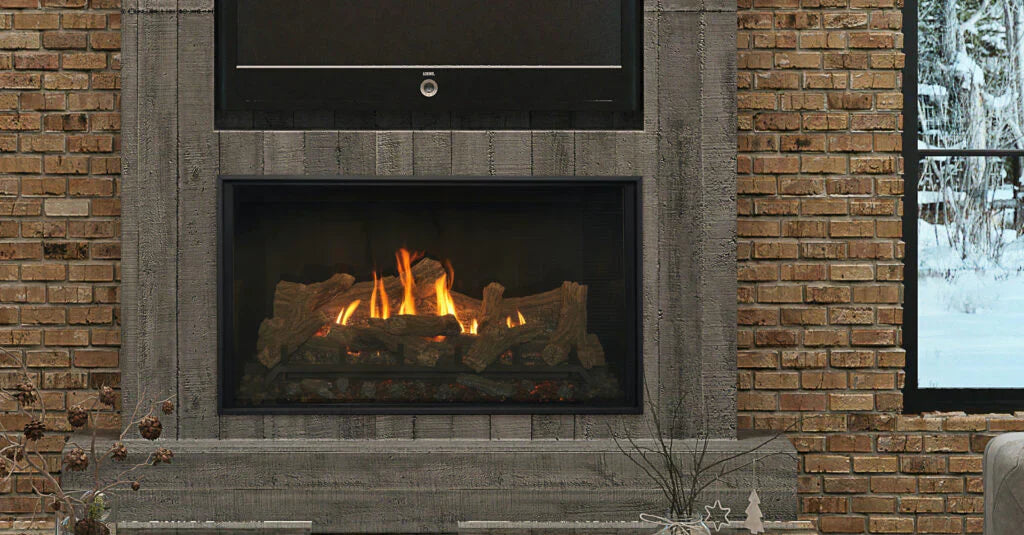
Is my Fireplace Safe to Use? What Safety Checks Do I Need?
Essential Safety Checks Every Homeowner Should Know—and When to Call a Professional
Every fall, we get the same question from homeowners across Idaho: “Is my fireplace safe to use this season?” It’s the right question to ask. Whether your fireplace has been sitting idle since last spring or you’ve just moved into a home with a fireplace you’ve never operated, taking a few minutes to check it before that first fire of the season can prevent serious problems—from minor inconveniences like a fireplace that won’t light, to major hazards like gas leaks or carbon monoxide.
The good news: modern built-in fireplaces from brands like Heat & Glo, Heatilator, Kozy Heat, Valor, and Stûv are engineered with multiple layers of safety built in. Direct vent gas fireplaces are sealed combustion systems that keep all exhaust gases completely separated from your home’s air. Wood-burning fireplaces are tested to withstand extreme temperatures. Electric fireplaces carry virtually no combustion risk at all.
But even the best-engineered appliance needs attention. In this guide, we’ll walk you through two things: the safety checks you can do yourself, and the checks that should be handled by a professional. We’ll also explain how to find the safety information specific to your exact fireplace model—because your owner’s manual is the single most important safety resource you have.
Start Here: Your Owner’s Manual
Before we get into any checklist, the most important thing you can do for fireplace safety is to read your owner’s manual. Every fireplace manufacturer—Heat & Glo, Heatilator, Kozy Heat, Valor, Stûv, European Home—provides a detailed owner’s manual that covers safe operation, maintenance schedules, troubleshooting, and specific warnings for your exact model. The manual that came with your fireplace is not generic advice; it’s the definitive guide written by the engineers who designed your specific appliance.
If you’ve lost your manual, every major manufacturer makes them available for free online:
- Heat & Glo: heatnglo.com/manuals — search by model number or name
- Heatilator: heatilator.com/manuals — search by model number or name
- Kozy Heat: kozyheat.com — manuals available on each product page
- Valor: valorfireplaces.com — Owner and Installation Manuals section
- Stûv: stuvamerica.com — documentation available on each product page
- European Home: europeanhome.com — contact for manual access
You can also find your fireplace’s model number on its rating plate, which is typically located inside the firebox (on gas models, it’s usually visible when the lower louver or access panel is removed). The rating plate lists the manufacturer, model number, serial number, fuel type, and BTU input. If you can’t find it, take a photo of your fireplace and bring it to a Leisure Time Inc. showroom—our team can often identify the model from the appearance alone.
Heat & Glo recommends a “break-in” cycle for new fireplaces: open windows for ventilation, run the fireplace on high for 6–8 hours, let it cool completely, then run it again. This cures factory oils and paints that can cause odors. If your fireplace is new or hasn’t been used in years, this burn-off cycle is an important first step.
Why You Need an Annual Professional Inspection
Every fireplace manufacturer—without exception—recommends that a qualified service technician perform an appliance check-up at the beginning of each heating season. This isn’t a suggestion buried in fine print; it’s a primary safety recommendation. Here’s what a professional inspection covers that you can’t easily do yourself:
What a Professional Inspects
- Gas valve and connections: The technician tests all gas-carrying tubes, connections, pipes, and components for leaks using professional detection equipment. Even a small gas leak that you can’t smell can be dangerous over time.
- Pilot light and ignition system: They verify that the pilot lights correctly, the main burner ignites within 4 seconds of the gas valve opening, and the flame safety system (thermocouple or flame rectification) shuts off gas flow within 30 seconds if the flame goes out.
- Venting system: The technician inspects the full vent run—from the firebox through the wall or roof to the termination cap—for blockages, corrosion, separation at joints, and sooting. Blocked or damaged venting is one of the most dangerous conditions because it can cause combustion gases to enter your home.
- Burner and log inspection: They check the burner for debris, blockage, or corrosion and inspect ceramic logs for cracks, chips, or misplacement. Damaged logs can alter gas flow patterns and affect combustion efficiency.
- Glass panel inspection: The technician checks the sealed glass panel for cracks, chips, or gasket failure. On a direct vent gas fireplace, the glass is a critical safety component—it’s what seals the combustion chamber from your living space.
- Fan and blower operation: If your fireplace has a convection fan or blower, the technician tests it for proper operation, listens for unusual noise, and cleans any accumulated dust.
- Controls and safety systems: They test the remote control, wall switch, IntelliFire ignition system, battery backup, and any thermostat or app-based controls to confirm reliable operation.
For wood-burning fireplaces, the inspection also includes the chimney system. A certified chimney sweep will inspect the chimney pipe for creosote buildup, check for structural damage or corrosion, verify that the rain cap and storm collar are intact, and clean the flue if needed. The Chimney Safety Institute of America recommends annual chimney inspections for all wood-burning systems.
If your fireplace or any of its components have been submerged in water (from flooding, leaks, or firefighting), do not use it. All manufacturers—including Heat & Glo and Valor—state clearly: call a qualified service technician immediately to inspect and replace any control system or gas control that has been under water.
Leisure Time Inc.’s in-house service team provides annual fireplace inspections and maintenance across all three of our Idaho locations—Boise, Idaho Falls, and Twin Falls. Our technicians are factory-trained on the brands we carry and can identify issues before they become safety hazards. Schedule your annual service at leisuretimeinc.com/pages/service-center.
Safety Checks You Can Do Yourself
Between professional inspections, there are several important safety checks you can (and should) perform yourself. These don’t replace a professional service call, but they’ll help you catch obvious problems and maintain safe operation throughout the heating season.
Gas Fireplace Safety Checklist
- Check the glass panel for damage. With the fireplace off and cool, visually inspect the glass for cracks, chips, or any signs of damage. The glass on a direct vent gas fireplace is a sealed safety barrier that keeps combustion gases out of your home. If the glass is cracked or damaged, do not operate the fireplace—call for service immediately.
- Look at the vent termination outside. Go outside and locate where your fireplace vent exits your home (either on the wall or the roof). Make sure the termination cap is clear of debris, bird nests, leaves, snow, or ice. A blocked vent can prevent exhaust from escaping and cause dangerous backdrafting. Valor’s installation manuals note that the cap should not be in a location where snow accumulation could block it.
- Test the ignition. Turn on your fireplace. The pilot should light reliably, and the main burner should ignite smoothly within a few seconds. If it takes multiple attempts, delays noticeably, or the pilot won’t stay lit, these are signs that the ignition system needs professional attention.
- Observe the flame. A healthy gas fireplace flame should be predominantly blue at the base with yellow/orange tips. If the flame is mostly yellow or orange, or if you see soot forming on the glass or inside the firebox, this could indicate a combustion problem. Contact your dealer.
- Smell for gas. Before and after lighting, smell around the base and front of the fireplace for the distinctive rotten-egg odor that’s added to natural gas and propane. If you smell gas when the fireplace is off, this is a potential leak—turn off the gas supply, ventilate the room, leave the house, and call your gas utility or a qualified technician immediately.
- Listen for unusual sounds. Hissing or whistling near the gas line can indicate a gas leak. Loud popping or banging during operation may indicate thermal expansion issues or debris in the burner. Note any new or unusual sounds and report them to your service technician.
- Check the barrier screen. Since 2013, all gas fireplaces include a protective barrier screen mounted inside the frame to reduce the risk of accidental contact with the hot glass. Confirm that the screen is in place and undamaged. This is especially critical in homes with young children—the glass on a gas fireplace can exceed 400°F during operation.
- Test your carbon monoxide detector. Press the test button on every CO detector in your home. Replace batteries if needed. The U.S. Consumer Product Safety Commission recommends CO detectors on every level of your home. Valor’s installation manuals require that a hard-wired carbon monoxide detector with battery backup be installed on the floor level where any gas equipment operates.
- Inspect the area around the fireplace. Make sure furniture, drapes, curtains, books, magazines, and other combustible materials are at least 3 feet from the fireplace. Check that nothing has been placed on or near the vent termination outside.
- Check the battery backup. Many Heat & Glo, Heatilator, and Kozy Heat fireplaces with IntelliFire ignition include a battery backup so the fireplace works during a power outage. Replace the batteries annually—before the heating season begins.
Wood-Burning Fireplace Safety Checklist
- Inspect the firebox interior. Look inside the firebox for cracks in the refractory panels (the firebrick lining), loose or missing firebrick, or any signs of metal warping or deterioration. If you see light coming through any seams or joints, the firebox may be compromised.
- Check the chimney cap and spark arrestor. If you can safely view your chimney from outside, confirm the rain cap is in place and the spark arrestor screen is intact and not clogged with creosote or debris. A missing cap allows water, animals, and debris into your chimney.
- Open and close the air controls. If your wood fireplace has adjustable air intake controls (such as the damper lever or air wash system on Kozy Heat or Stûv models), test that they move freely and aren’t stuck. Proper air control is essential for safe, efficient combustion.
- Test the door latches and glass. On fireplaces with glass doors (like the Stûv 21’s guillotine glass door), verify that the door operates smoothly and seals properly. Check the glass for cracks. Check the door gasket for wear—a worn gasket allows excess air in and reduces efficiency and control.
- Look for creosote and soot buildup. Peer up into the base of the chimney with a flashlight. If you see more than 1/8 inch of creosote buildup (a dark, tar-like or flaky deposit), the chimney needs to be cleaned before use. Creosote is highly flammable and is the leading cause of chimney fires.
- Burn only seasoned, dry firewood. Wet or green wood produces significantly more creosote and smoke. Never burn treated lumber, painted wood, garbage, cardboard, or artificial logs not approved for your fireplace model. Your owner’s manual specifies what fuels are approved.
- Test smoke and CO detectors. Press the test button on every smoke and CO detector in your home. Working detectors are your last line of defense against chimney fires and carbon monoxide.
- Clear the area. Maintain at least a 3-foot clearance zone around the fireplace. Never dry clothing, towels, or boots on or near the fireplace.
Electric Fireplace Safety Checklist
- Inspect the power cord and plug. Look for fraying, cracking, or heat damage on the cord. Make sure the plug fits snugly in the outlet. Never use an extension cord with an electric fireplace—plug it directly into a wall outlet.
- Test the outlet. Ensure the outlet is grounded and not overloaded with other devices. If the circuit breaker trips when you turn on the fireplace, you may need a dedicated circuit.
- Check the heater intake and exhaust vents. Electric fireplaces with built-in heaters have intake and exhaust vents (usually on the top or bottom of the unit). Make sure these are not blocked by dust, debris, or furniture. A blocked heater vent can cause the unit to overheat.
- Dust the interior. Turn the unit off and use a soft cloth or vacuum with a brush attachment to gently clean dust from the vents and visible interior components. Dust buildup can cause overheating and reduce heater efficiency.
- Verify safety shutoff. Most electric fireplaces from Kozy Heat and Heat & Glo include an automatic shutoff that triggers if the unit overheats. Test this by running the heater on high for 30 minutes and confirming it doesn’t overheat or produce unusual odors.
Electric fireplaces are the safest type of fireplace to operate—no combustion, no gas, no venting, no carbon monoxide risk. But they’re still electrical appliances that generate heat, so the same basic electrical safety practices apply: no extension cords, no overloaded circuits, and keep combustibles away from the heater vents.
When to Call a Professional Immediately
Some situations are beyond DIY safety checks and require immediate professional attention. Do not operate your fireplace if you experience any of the following:
- You smell gas when the fireplace is off. Turn off the gas supply valve, open windows, leave the home, and call your gas utility company or a licensed technician. Do not flip light switches or use any electrical devices—sparks can ignite gas.
- The glass panel is cracked or broken. A compromised glass panel on a direct vent gas fireplace means the sealed combustion chamber is breached. Combustion byproducts can enter your living space. Do not operate the fireplace until the glass is replaced by a qualified technician.
- You see soot or discoloration on the wall or ceiling above the fireplace. This can indicate a venting problem where combustion gases are not being properly exhausted. This is a carbon monoxide risk.
- Your CO detector alarms. Evacuate the home immediately and call 911. Do not re-enter until emergency responders confirm it is safe. Then have your fireplace and all gas appliances inspected before using them again.
- The fireplace produces a strong, persistent odor (not the normal first-use burn-off). Ongoing chemical or burning smells can indicate a wiring issue (electric), a gas combustion problem (gas), or a creosote issue (wood).
- The pilot light won’t stay lit or the burner won’t ignite reliably. While not immediately dangerous, an unreliable ignition system means the safety controls may not be functioning properly.
- You notice water inside the firebox or on the glass. Water intrusion—from a failed vent cap, condensation in the vent pipe, or a chimney leak—can damage internal components and create safety issues.
- The fireplace has not been serviced in two or more years. Even if everything seems fine, an appliance that hasn’t been professionally inspected in over two years should be checked before you light it up for the season.
A Note on Hot Glass: Protecting Children and Pets
The glass front on a gas fireplace is a sealed safety component, but it also reaches extremely high temperatures during operation—often exceeding 400°F. This creates a real burn risk, especially for young children and pets who may not understand the danger.
Since 2013, all gas fireplaces sold in North America are required to include a protective barrier screen. Valor, Heat & Glo, Heatilator, and Kozy Heat all include these barrier screens with every fireplace and surround. The screen provides a physical barrier between curious hands and the hot glass surface. Make sure your barrier screen is properly installed and in good condition.
Additional precautions with children and pets in the home:
- Never leave young children unattended in a room with an operating gas fireplace.
- Teach children that the glass is hot and establish a clear boundary zone around the fireplace.
- Consider a supplemental safety gate in front of the fireplace, especially for toddlers. Valor references Cardinal’s VersaGate and similar products that are available at retail stores.
- Be aware that the glass stays hot for some time after the fireplace is turned off. Wait at least 30–45 minutes after shutting off the fireplace before allowing children or pets near it.
A Simple Seasonal Maintenance Schedule
| When | What to Do | Who Does It |
|---|---|---|
| Before first use (fall) | Run through the full DIY safety checklist above. Test CO detectors and smoke alarms. Replace IntelliFire battery backup. | You |
| Start of heating season | Schedule annual professional inspection and service. Chimney sweep for wood-burning. | Leisure Time Inc. service team |
| Monthly (during use) | Visually inspect the glass, barrier screen, and vent termination. Check for unusual odors or sounds. Clean dust from electric fireplace vents. | You |
| End of heating season (spring) | Turn off the pilot light to save gas during summer months (check your manual—some models have an auto-shutoff for seasonal non-use). Clean the glass interior. | You |
| As needed | Replace damaged logs, glass panels, barrier screens, gaskets, or remote batteries. Report any issues promptly. | Leisure Time Inc. service team |
Frequently Asked Questions
How often does my gas fireplace really need professional service?
Every manufacturer recommends annual professional service at the start of each heating season. Heat & Glo’s care and maintenance guide states this clearly, and Valor’s safety recommendations emphasize the importance of regular qualified inspections to maximize the service life of your fireplace. Annual service is not optional—it’s a core part of safe ownership.
Can a direct vent gas fireplace cause carbon monoxide poisoning?
When properly installed and maintained, a direct vent gas fireplace presents very low carbon monoxide risk because the combustion chamber is completely sealed from your home’s interior. All exhaust gases exit through the vent pipe to the outdoors. However, if the glass panel is cracked, the venting system is blocked or separated, or the unit is malfunctioning, carbon monoxide can enter your home. This is why annual professional inspections and working CO detectors are essential.
Is it normal for the glass on my gas fireplace to get extremely hot?
Yes. The glass on a direct vent gas fireplace routinely exceeds 400°F during operation. Heat & Glo notes that per ANSI and UL safety standards, surface temperatures up to 117°F above room temperature are allowable on surrounding combustible materials—but the glass itself gets much hotter. This is why the barrier screen is required and why supervision around children and pets is critical.
Should I leave my pilot light on during the summer?
It depends on your preference and your model. Leaving the pilot on keeps the firebox dry and prevents moisture-related issues, but it does use a small amount of gas. Some Valor fireplaces have an automatic pilot shutoff feature that turns the pilot off if the fireplace hasn’t been used for a set period. Check your owner’s manual for the manufacturer’s recommendation for your specific model.
Can I use my gas fireplace during a power outage?
Many gas fireplaces can operate during a power outage. Heat & Glo, Heatilator, and Kozy Heat models with IntelliFire Plus ignition include a battery backup that allows the fireplace to run without electricity. Valor’s radiant gas fireplaces are specifically engineered to heat without any electricity at all—no fans, no electronic controls required. Check your manual to see if your model supports power-outage operation.
I just moved into a home with a fireplace I’ve never used. What should I do?
Do not use it until it has been professionally inspected. You don’t know its service history, and there may be issues that aren’t visible to the untrained eye. Schedule a service call with Leisure Time Inc., and bring any documentation the previous owner left—including the owner’s manual, model information, and service records. Our technicians will perform a full inspection and let you know if it’s safe to operate.
Where can I buy replacement parts like barrier screens, glass panels, or remote batteries?
Replacement parts for Heat & Glo, Heatilator, and Kozy Heat fireplaces are available through Leisure Time Inc.’s showrooms and at shop.leisuretimeinc.com. For Valor and Stûv parts, contact our showrooms directly. Always use manufacturer-approved replacement parts—using non-approved components can void your warranty and compromise safety.
At Leisure Time Inc., our factory-trained service technicians have decades of experience inspecting, maintaining, and repairing fireplaces from every brand we carry. Whether you need a routine annual check-up or you’ve noticed something that concerns you, our team is here to help keep your fireplace running safely and efficiently.
Our service team covers Boise, Idaho Falls, Twin Falls, and the surrounding areas. We guarantee all parts and labor and promise timely service with minimal disruptions. Let us take care of your fireplace so you can focus on enjoying it.
Service Center: leisuretimeinc.com/pages/service-center
Shop Replacement Parts: shop.leisuretimeinc.com
Hearth Buyer’s Guide: leisuretimeinc.com/pages/hearth-buyers-guide
Locations: Boise (208) 376-0180 • Idaho Falls (208) 523-4633 • Twin Falls (208) 933-4295